

Automotive Engineering

With 15 years of hands-on experience in diesel powertrain development across light-duty, heavy-duty, and off-road applications the automotive practice covers the full chain from engine calibration and aftertreatment design through OBD implementation to type approval.
Projects delivered for Ford, Renault, Isuzu, Jaguar Land Rover, Peugeot, Mitsubishi, and Deutz provide a deep understanding of what OEMs expect: robust systems that meet emission targets on the first homologation attempt
From
Emission Target
to
Calibrated System

Meeting emission legislation starts long before the test bench. The development process translates regulatory requirements into a complete aftertreatment concept u2014 DOC, DPF, LNT, or SCR including hardware selection, coating and precious metal specification, additive consumption targets, and the corresponding software requirements for the target market.
On the powertrain side, engine software calibration is carried out from initial function development through prototype testing to series release. Simulation supports concept selection, while agile development methods keep the calibration cycle efficient and responsive to changing boundary conditions.
Scope of work:
- Aftertreatment system concept and component specification (DOC, DPF, LNT, SCR)
- Engine software calibration for diesel applications
- Function development from requirements through simulation to acceptance
- Hardware and software requirements definition for target market compliance
Regulatory Compliance, Engineered End-to-End
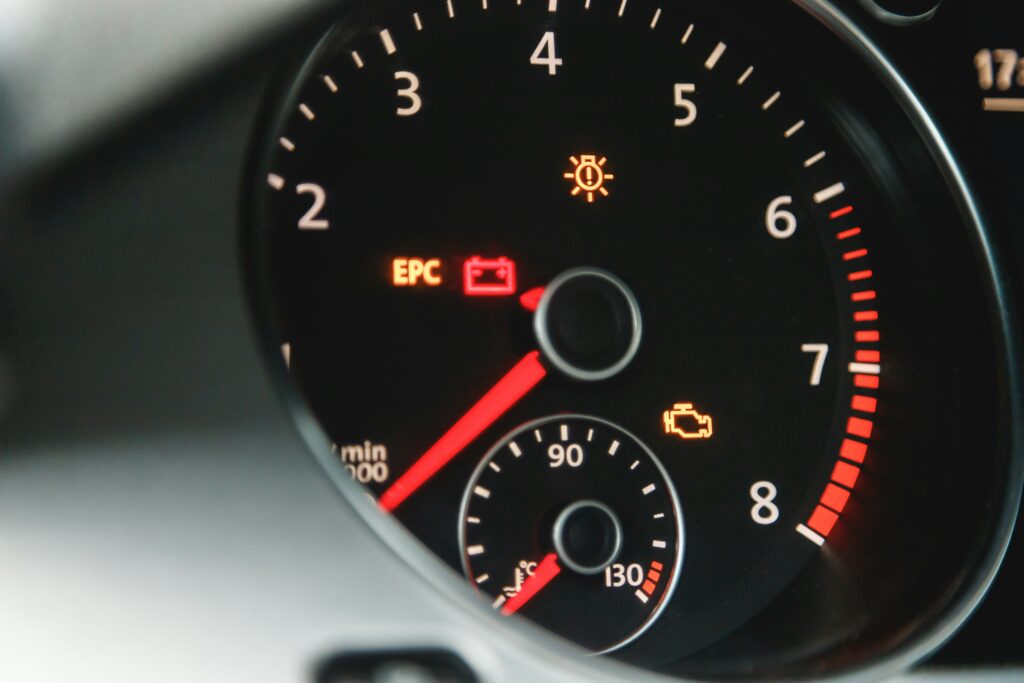
On-board diagnostics and type approval are where engineering meets legislation and where gaps in preparation cost months of delay. The OBD process starts with translating legal requirements into a diagnostic concept, defining hardware and software requirements for both engine and aftertreatment monitoring, and calibrating diagnostic functions under real-world conditions.
Homologation activities are initiated, planned, and managed from the first authority contact through test execution to final documentation and reporting. Clear communication with regulatory bodies and structured test management ensure that the approval process runs without unexpected iterations.
Scope of work:
- OBD concept definition and diagnostic function calibration
- Homologation planning, authority communication, and documentation
- Regulatory test management and compliance reporting
- Engine and aftertreatment OBD calibration in test bench and vehicle environments
Test Where It Matters - Bench, Road, and Altitude
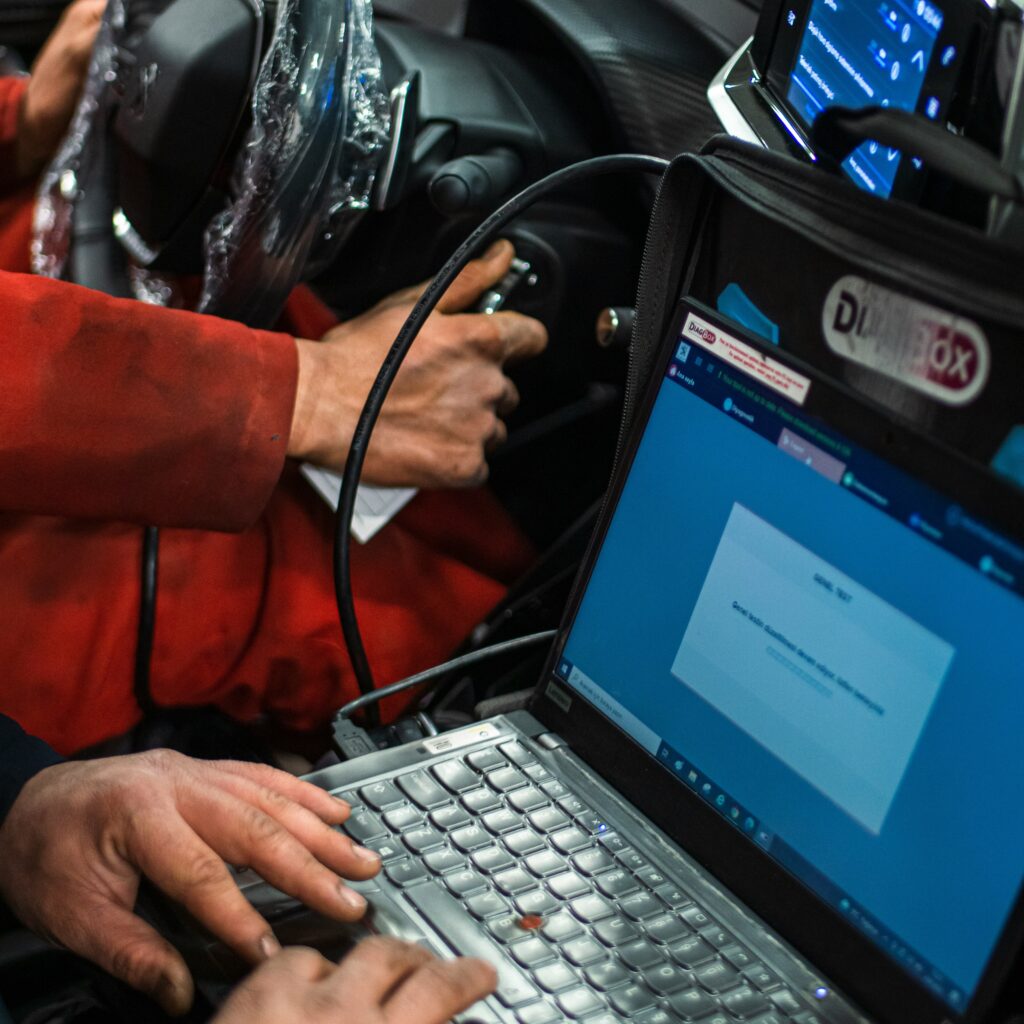
Calibration and diagnostic work is only as strong as the testing behind it. Test campaigns are defined, planned, executed, and reported across the full range of operating environments from engine test bench to in-vehicle validation under regular, hot, cold, and high-altitude conditions.
The goal is always the same: verify system behavior under the conditions the product will actually face, generate reliable data for calibration refinement, and deliver documentation that supports both internal release and regulatory approval.
Scope of work:
- Test campaign definition, planning, and execution
- Engine test bench and in-vehicle testing (regular, hot, cold, high altitude)
- Calibration data acquisition and analysis
- Test reporting for internal release and homologation support