Complex systems do not fail because individual components are weak — they fail because interfaces are undefined, requirements are incomplete, or verification comes too late. Systems Engineering brings the discipline to prevent exactly that: a structured approach that connects stakeholder needs to verified performance, across every level of the system hierarchy.
From Requirements to Integration
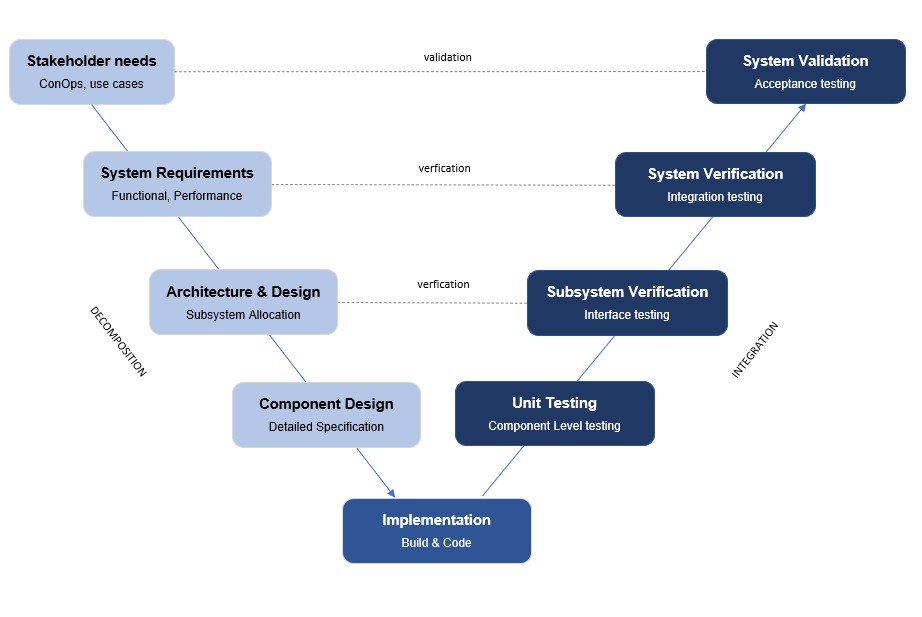
Following the V-model methodology according to ISO/IEC 15288, full traceability is established from stakeholder requirements through design, integration, and validation. Every design decision links to a requirement, every interface is defined, and every verification step is planned before the first prototype is built.
Concept Definition & Trade-Off Analysis
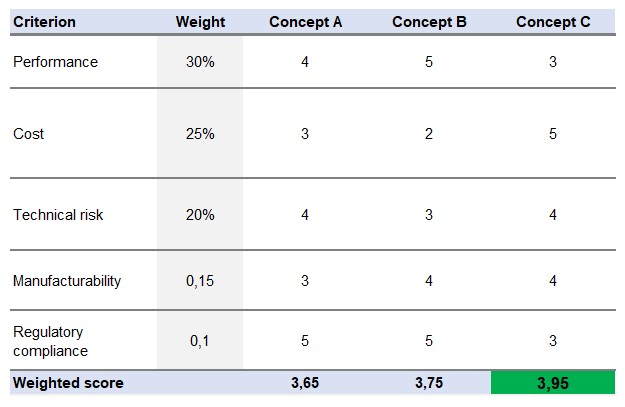
Before development starts, the right system concept must be selected — not assumed. Structured trade-off analysis evaluates competing architectures against defined criteria: performance, cost, risk, manufacturability, and regulatory compliance. Simulation supports the decision where analytical methods reach their limits.
Integration Management & Technical Coordination
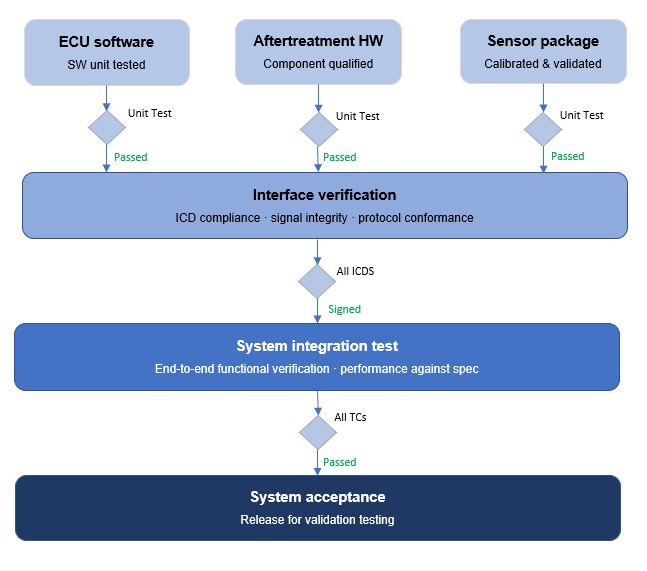
The critical phase is not design — it is integration. When subsystems from different disciplines and suppliers come together, every undefined interface becomes a schedule risk. Structured integration planning and technical coordination ensure that assembly, testing, and commissioning follow a defined sequence with clear entry and exit criteria.